
Cultural perceptions of gambling How views vary across societies
The Historical Context of Gambling
Gambling has been part of human culture for thousands of years, with its origins tracing back to ancient civilizations. Archaeological findings suggest that games of chance were prevalent in societies such as the Chinese, Greeks, and Romans. These early forms of gambling were often intertwined with social rituals and cultural practices, signifying that gambling was not just about winning money but also about community bonding and entertainment. The manner in which these early societies perceived gambling laid the foundation for how future generations would view and engage with it. For those interested in modern gameplay, visiting https://rippercasino-australia.co/deposit/ can provide an easy way to experience today’s online gambling landscape.

In many cultures, gambling has served as a means of social stratification, where only certain classes had access to more sophisticated forms of gambling. For example, in ancient Rome, the elite enjoyed dice games and betting on chariot races, while the lower classes engaged in simpler forms of gambling like betting on local games. This division in gambling experiences reflects broader societal structures and highlights how cultural perceptions are often influenced by economic status and historical context.
As societies evolved, so did their views on gambling, leading to the establishment of regulations and laws governing the practice. In medieval Europe, gambling was often viewed with suspicion, particularly by religious institutions that deemed it morally questionable. Such negative perceptions led to stricter gambling laws, showcasing how cultural and religious values can significantly shape the way gambling is perceived in different societies.
Gambling in Western Cultures
In contemporary Western cultures, gambling is often viewed through a lens of entertainment and leisure. With the rise of casinos, sports betting, and online gaming platforms, gambling has become a widely accepted form of entertainment, akin to going to the movies or dining out. Social acceptance is so prevalent that even individuals who do not gamble may enjoy the atmosphere of casinos, which are designed to be engaging and exciting. This normalization of gambling reflects a cultural shift towards viewing it as a legitimate pastime.
However, this acceptance comes with a caveat: the risk of gambling addiction. In many Western countries, responsible gambling campaigns have emerged to address the potential harms associated with excessive gambling. Organizations work to educate the public on recognizing the signs of addiction and promoting safe gambling practices. Thus, while gambling is celebrated as a form of entertainment, there remains an ongoing discussion about its potential negative impacts, revealing the complexity of cultural perceptions.
Additionally, gambling in Western societies can differ significantly from one country to another. For instance, while countries like the United States and Canada have embraced commercial gambling, others such as the UK have long-standing traditions of betting, such as betting on horse races. These differences underscore how local customs, laws, and historical contexts shape the gambling landscape, resulting in varied cultural perceptions across Western nations.
Gambling in Eastern Cultures
In many Eastern cultures, gambling often intersects with spiritual beliefs and traditional practices. For example, in China, gambling is commonly associated with luck and fortune, especially during the Lunar New Year, when families engage in games and betting as a way to usher in good luck. This practice reflects the cultural significance of gambling as not just a game of chance but also a way to connect with ancestral traditions and celebrate community bonds.
Yet, despite its cultural importance, gambling has faced scrutiny in several Eastern countries, particularly due to the influence of government and religious authorities. Countries like Japan have strict regulations governing gambling activities, limiting them primarily to certain forms such as pachinko. The tension between cultural acceptance and governmental restrictions highlights the complex nature of gambling perceptions in the East, where economic benefits from tourism and local businesses must be balanced against social concerns.
Moreover, the view of gambling in Eastern cultures can also encompass ideas of fate and destiny. Many individuals believe that gambling outcomes are influenced by spiritual forces or ancestral spirits. This belief can lead to a more philosophical approach to gambling, with players focusing less on the monetary aspect and more on the experiential journey. Such perspectives demonstrate how deeply ingrained cultural values can shape individuals’ attitudes toward gambling in Eastern societies.
The Role of Religion in Shaping Gambling Views
Religion has played a significant role in shaping cultural perceptions of gambling across the globe. In many religious traditions, gambling is viewed negatively, often associated with greed and moral decay. For example, in Islam, gambling is expressly forbidden, as it is considered a distraction from spiritual growth and a potential source of social harm. This religious prohibition reflects broader societal values and has led to a generally negative perception of gambling in predominantly Muslim countries.
Conversely, some religious traditions have a more lenient view of gambling. In certain Christian communities, for instance, gambling can be seen as acceptable within controlled environments, particularly when used to raise funds for charitable causes. This nuanced stance highlights the diversity of religious perspectives and their impact on cultural attitudes towards gambling, demonstrating how moral frameworks can influence societal norms.
Furthermore, the relationship between religion and gambling is not static; it evolves over time. As societies become more secular, views on gambling may shift, leading to increased acceptance and regulation. This evolution can be seen in various cultures where gambling has transitioned from a taboo subject to a recognized form of entertainment, revealing the dynamic interplay between religion and cultural perceptions of gambling.
Gambling in Modern Society and Its Challenges
In today’s fast-paced world, gambling has adapted to technological advancements, with online gaming platforms gaining immense popularity. This shift towards digital gambling has led to new cultural perceptions, particularly among younger generations who view online casinos and sports betting as easily accessible forms of entertainment. The stigma surrounding traditional gambling is gradually dissipating, with many seeing it as a casual leisure activity rather than a serious vice. However, this normalization raises concerns about gambling addiction and the need for responsible gambling practices.
Moreover, the proliferation of advertisements and promotions for online gambling creates a sense of urgency and excitement around betting activities. This marketing strategy can lead to increased participation, particularly among vulnerable populations who may not fully understand the risks involved. As societies navigate this new landscape of gambling, the challenge lies in balancing the economic benefits of the gambling industry with the potential social costs of addiction and problem gambling.
Ultimately, the cultural perceptions of gambling are continuously evolving as societies grapple with the implications of this age-old practice. Governments and communities are increasingly recognizing the importance of implementing effective regulations and support systems to mitigate the negative impacts of gambling while embracing its role as a legitimate form of entertainment. By fostering an open dialogue about gambling, societies can work towards a more balanced understanding that honors both cultural traditions and contemporary realities.
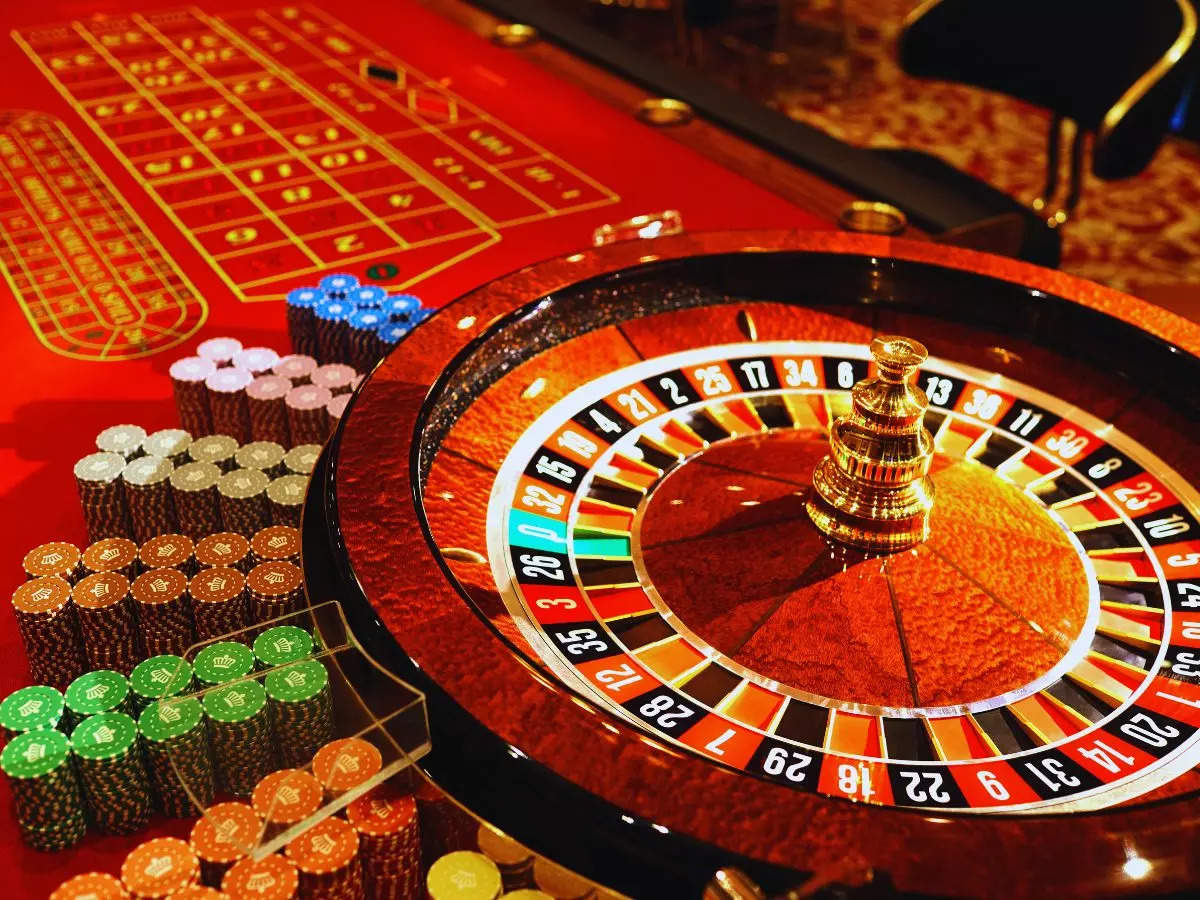
Ripper Casino: A Modern Approach to Gambling
Ripper Casino embodies a modern approach to online gambling, focusing on providing a safe and enjoyable experience for players. With a wide variety of gaming options, from traditional pokies to sports betting, Ripper Casino offers something for every type of gambler. The platform emphasizes responsible gambling practices, allowing players to engage in their favorite games while maintaining control over their spending. This balanced approach reflects contemporary cultural perceptions of gambling as a form of entertainment that can coexist with responsible practices.
The user-friendly interface and secure payment options available at Ripper Casino cater to the needs of modern players, making it easy to access and enjoy gaming experiences. The platform prioritizes safety through SSL-encrypted transactions, ensuring that players can enjoy their gambling activities without worrying about security threats. This commitment to providing a secure environment aligns with the growing demand for transparency and safety in the gambling industry.
As cultural perceptions of gambling continue to evolve, platforms like Ripper Casino are poised to play a significant role in shaping future attitudes. By prioritizing responsible gambling and offering a diverse range of options, Ripper Casino reflects the ongoing shift towards a more positive perception of gambling as a legitimate and enjoyable form of leisure.